
Everest Region Trekking – Gateway to the Roof of the World
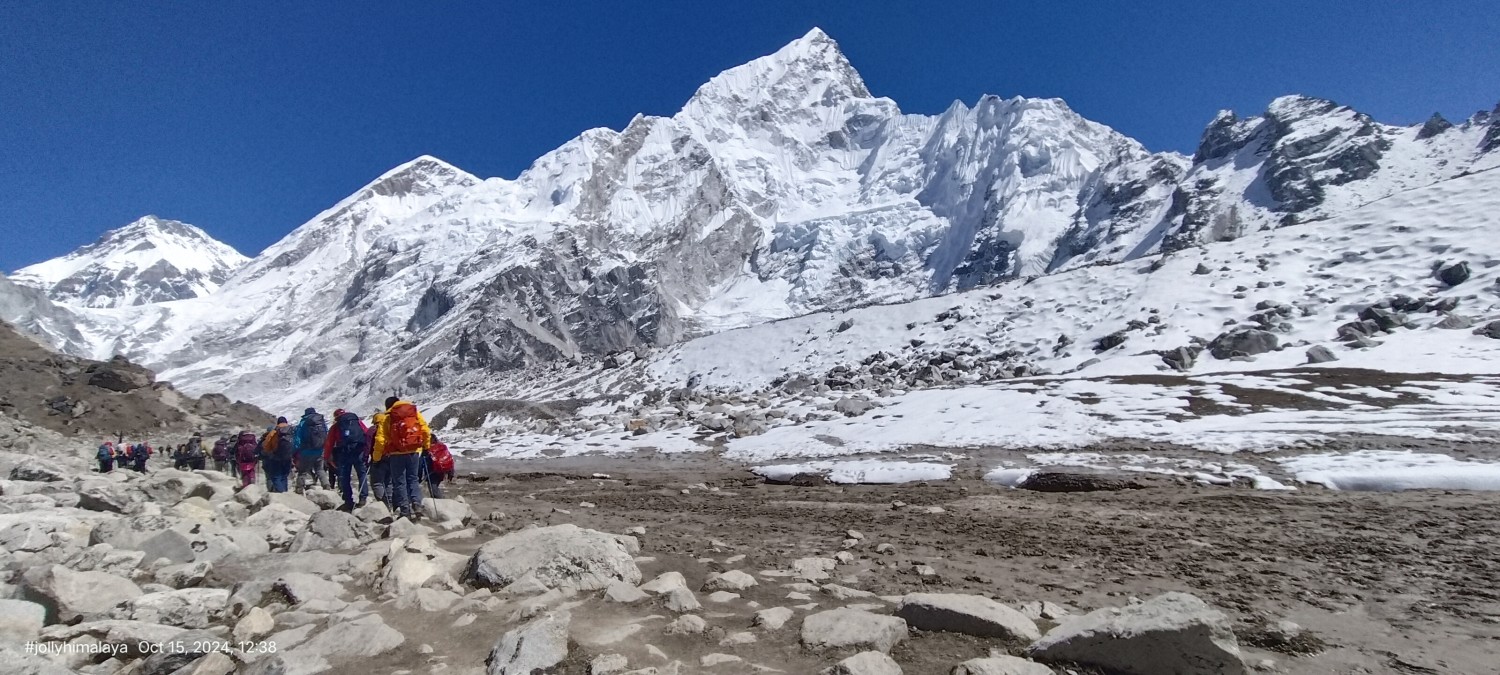
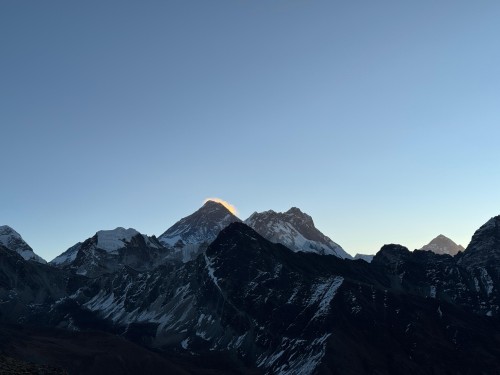
The Everest Region, also known as the Khumbu Region, is one of the most iconic and celebrated trekking destinations in the world. Located in northeastern Nepal within Sagarmatha National Park, this region is home to Mt. Everest (8,848.86m) – the world’s highest peak – along with several other towering Himalayan giants like Lhotse, Nuptse, Ama Dablam, Thamserku, and Cho Oyu.
Starting Point of the Trek
Most treks in the Everest region begin with a scenic mountain flight from Kathmandu to Lukla (2,860m), a small airstrip perched on a hillside. From Lukla, trekkers enter the heart of the Khumbu valley, gradually ascending through charming Sherpa villages, rhododendron forests, glacial rivers, and monasteries.
Popular Trekking Routes in the Everest Region:-
1. Everest Base Camp Trek (EBC Trek)
6.Jiri to Everest Base Camp Trek
7. Everest Trek with Drive-to-Surke Route (Avoiding Lukla Flight)
Why This Area Is Well-Known Throughout the World:
People and Culture
The Sherpas, who are renowned for their remarkable mountaineering abilities, friendliness, and tenacity, reside in the Everest Region. Buddhist monasteries, prayer flags, mani walls, and chortens are scattered throughout the area, signifying the Sherpa people's deep spiritual ties. Traditional dances and rituals are performed to commemorate festivals such as Dumji ,Mani Rimdu and Lhosar.
Moderate to Challenging Difficulty Level:
The elevation and length of the trek may present difficulties.
Trekkers need to be mentally and physically prepared for the harsh conditions, cold temperatures, and high altitude hiking.
Lodging and Food:
Meals:
Popular Trip And Tour Which Own the Heart of Many Travellers in 2026
15 Days From $ 1000

14 Days From $ 2400

20 Days From $ 1750

13 Days From $ 1000
14 Days From $ 750

18 Days From $ 2250

17 Days

20 Days
.jpg)
14 Days From $ 5500

3 Days From $ 250

5 Days From $ 4200
© 2023 - 2026 All rights reserved. Jolly Himalaya Developed By : Xenatech Nepal